
Contents
Vince Cortho runs a roofing company in San Diego, California. Roofing is a business where the phone is the front door: a homeowner with a leak calls three contractors, and the one who picks up usually gets the job. As his company grew, that front door started closing on him.
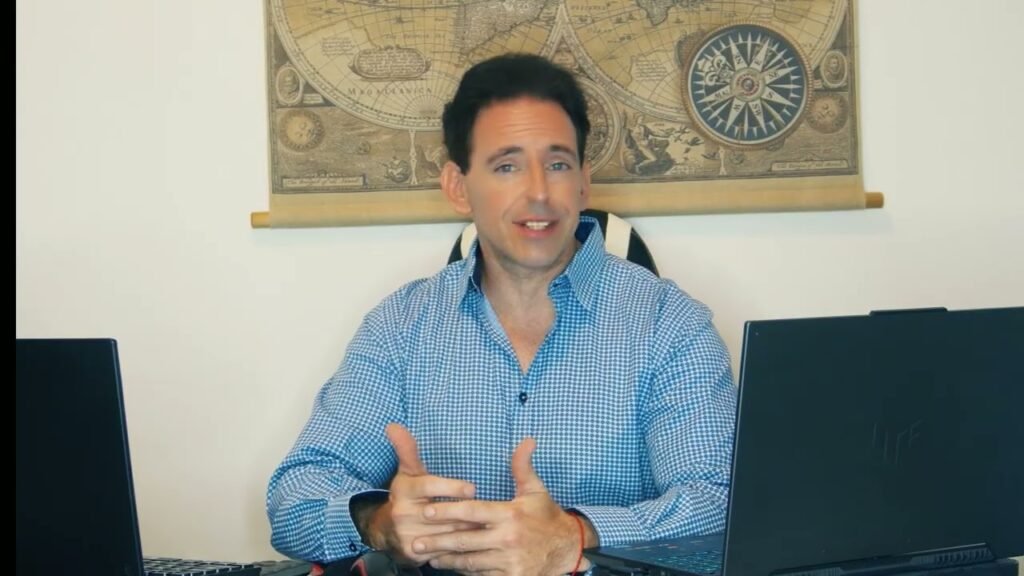
Here is his verdict, on camera, in 35 seconds:
The client at a glance
- Business: residential roofing contractor
- Location: San Diego, California
- Industry: home services, roofing and exteriors
- Engagement: a trained Armasourcing contact center team handling inbound calls and follow-ups
- Coverage: aligned to Pacific Time, when San Diego homeowners are actually calling
- Time to results: two weeks, in his own words
The problem: the phone was beating the business
Vince names three things on camera: missed calls, slow follow-ups, and support getting messy fast. Anyone who has run a growing home services company will recognise all three, and they compound in a specific order.
First the volume outgrows whoever is answering. In roofing that person is often a foreman on a roof, an office manager already handling permits and invoicing, or the owner himself between site visits. Calls go to voicemail during exactly the hours homeowners are free to call.
Then follow-ups slip. A roofing lead is not a single conversation. It is a call, an inspection booked, an estimate sent, and a decision chased. Miss one link and the estimate you paid to produce quietly dies.
Then the whole thing gets messy. Notes live in three places, nobody is certain who called whom back, and the owner becomes the system of record. That is the point at which growth starts costing money instead of making it.
The stakes are unusually high in home services because a roof is an urgent, high-value, once-a-decade purchase. Homeowners do not wait. And customers in general do not hand out many second chances: PwC found that 1 in 3 consumers will walk away from a brand they love after a single bad experience.
The math every US contractor is up against
The obvious fix is to hire a full-time person to answer the phone in San Diego. Here is what that actually costs. None of these are Vince’s private figures. They are published benchmarks for the industry:
- $42,800 per year, before benefits. The median US customer service representative earns $20.59 per hour according to the Bureau of Labor Statistics (May 2024). Payroll taxes, benefits, software seats, and management overhead typically add another 25 to 40 percent, pushing one fully loaded seat past $50,000 a year. In a high cost metro like San Diego, that is a conservative floor rather than a ceiling.
- One seat does not cover the day. A single hire covers roughly eight hours, minus lunch, holidays, sick days, and vacation. Storm season does not respect any of those. Covering evenings and Saturdays, when homeowners actually call, means a second seat or a rota.
- 30 to 45 percent annual turnover. That is the standard contact center attrition benchmark, widely attributed to QATC, and replacing a trained agent is commonly estimated at $10,000 to $20,000 once recruiting, training, and lost productivity are counted. For a contractor, that also means retraining someone on your trade vocabulary, your service area, and your pricing.
- $625 per month. In our own 2026 salary dataset of 586 Filipino remote professionals, experienced customer service candidates ask for a median of $625 per month. The pool is deep, university-educated, and experienced in exactly this kind of phone work.
- 60 to 70 percent lower cost. Even after recruiting, training, QA, management, and replacement guarantees are layered on top, a managed Filipino team typically runs 60 to 70 percent below the fully loaded cost of the same seats in the US.
The expensive part of answering the phone well was never the talent. It is building and holding the standard around the talent. That is the part Vince handed to us.
The solution: trained agents, a simple plan, clear reporting
Vince describes what we brought in three parts, and that is genuinely the whole model. Here is what each one meant in practice:
- Trained contact center agents. Every Armasourcing candidate goes through skills screening and a recorded voice assessment before a client ever meets them. For a roofing line that matters more than usual, because the first sixty seconds decides whether a homeowner books an inspection or dials the next contractor.
- Trained on the trade, not just on phones. Agents learned his service area, his job types, what qualifies an emergency leak against a routine quote, and how his estimates and scheduling work. They sound like his company, not like an answering service reading a card.
- A simple onboarding plan. Not a six-month transformation program. A short, specific plan: which calls the team takes, what happens to each one, who they escalate to, and what a good outcome looks like. Contractors do not have the bandwidth for anything more complicated, and they should not need it.
- Follow-ups as a defined job. The slow follow-ups fixed themselves once chasing estimates stopped being whoever remembered and became a task somebody owns with a deadline.
- Clear reporting. Calls handled, what came in, what is still open, and how the team is performing. Every agent also works under our quality program: scored interactions, regular coaching, and time tracking he can see. When something drifts, we catch it before the client has to.
This is the same managed model behind our contact center outsourcing service, where teams typically go live in 2 to 4 weeks. For a smaller need, the same process powers our virtual receptionist placements from a single rep.
The results: smoother and more professional, in two weeks
Vince’s words, not ours:
“We were dealing with a lot of missed calls and slow follow-ups, and just support getting messy fast. Armasourcing stepped in with trained contact center agents, a simple onboarding plan and clear reporting, and in just two weeks things felt smoother and just more professional. I’d definitely recommend Armasourcing to any growing business.”
Vince Cortho, roofing company owner, San Diego, CA
Two words in that quote carry the outcome, and both map to something specific that changed:
- Smoother. One trained team, one standard, one place where calls and follow-ups are tracked. The owner stops being the system of record.
- More professional. Every caller reaches someone who knows the trade and the company, instead of voicemail or whoever happened to be free.
The number worth pausing on is two weeks. Most owners brace for a quarter of disruption before an outsourced team pays off. Because the talent pool is pre-vetted and the training program already exists, a managed team starts producing results in weeks.
Why roofing and home services fit this model
Contractors sit in an awkward middle. The call volume genuinely justifies dedicated coverage, but rarely a full in-house support department. Meanwhile every missed call is a five-figure job going to a competitor, so the cost of under-staffing is far higher than the cost of the seat.
A managed offshore team resolves that squeeze. You get properly trained coverage across the hours homeowners call, at a fraction of a San Diego payroll, without becoming a recruiter and trainer yourself. Roofers, HVAC, plumbing, solar, and restoration all run the same playbook. You can see how we scope it on our contact center page.
The takeaway
You do not fix a phone problem by trying harder to answer the phone. You fix it with trained people who know your trade, a plan simple enough to actually follow, and reporting that shows you it is working. That combination made Vince’s operation smoother and more professional in two weeks, and it is the same playbook we run for every client.
Want your phone to stop costing you jobs? Start with our contact center outsourcing page to see how managed teams work, or book a free 15 minute discovery call and tell us what your queue looks like today.
Get matched with a vetted Filipino VA in 7 days
Pre-vetted, US-trained Filipino virtual assistants. Fully managed. EST/PST timezone overlap. Custom pricing, zero placement fees.
Book a free discovery call →